JWHEEL custom alloy wheels supplier specializing in the production of AL-Alloy wheels for 20 years.
Language
JWHEEL custom alloy wheels supplier specializing in the production of AL-Alloy wheels for 20 years.
Learn essential tips to care for and repair your alloy wheels. Keep them looking sharp and performing at their best for years to come.
Introduction
Alloy wheels are undoubtedly a charming upgrade. They make your car catch the eye with a stylish, modern, and unique touch.
But, there is more. They do provide better performance, improved heat dissipation and even better fuel average (due to lighter weight).
That said, much like any wheel, they do require proper care.
Definitely, alloy wheels are far better than standard steel wheels; however, without regular care, cleaning, even the highest quality of alloys could result in corrosion, damage and reduced performance. In particular if not sourced from reputable alloy wheel companies.
For that particular reason, we’ve written this article. So let's jump into some essential tips on how to care for and repair your alloy wheels to keep them looking great and running great.
Wheels, whether they’re alloy or standard, are exposed to various road hazards every day, such as potholes, curbs, salt, brake dust, harsh weather, and a lot more. These day-to-day elements damage the finish, cause corrosion, and worst-case scenario, impact the structural integrity of the wheel. That said, proper care extends the life of your wheels, and most importantly, ensures safety.
Regular cleaning is the foundation of alloy wheel maintenance. It prevents the build-up of brake dust, dirt, and road grime, which can damage the wheel surface over time.
Some tips for effective cleaning:
1. Use a dedicated wheel cleaner: Don’t use household detergents, they may strip off protective coatings. We suggest choosing a pH-balanced wheel cleaner.
2. Use soft brushes: Use a wheel brush with soft bristles to avoid scratching the surface.
3. Avoid acidic cleaners: Specifically, on polished or chrome finishes. Since this can corrode the wheel surface.
4. Rinse thoroughly: Ensure all cleaner is washed away to prevent residue buildup.
5. Dry completely: Use a microfiber cloth to dry wheels and avoid water spots.
Quick Tip: Clean your luxury car wheels at least once a week in winter or if you drive in salty or dirty conditions.
After cleaning, applying a protective coating can help repel dirt, water, and brake dust.
Protection techniques:
● Wax or sealant: Apply a high-quality wheel wax or sealant every few weeks.
● Ceramic coating: For longer-term protection, consider ceramic coating, which offers a harder, more durable shield.
● Avoid automatic car washes: They often use harsh brushes that can scratch wheel surfaces, plus not the best for the car’s paint either.
Getting regular inspections helps catch issues early, before they cause serious issues.
Here are some common signs of damage:
● Curb rash: Scrapes on the wheel lip from brushing against curbs.
● Corrosion: White or greenish patches on aluminum. Or bubbling under the clear coat.
● Bent rims: Uneven tire wear or vibration at high speeds.
● Cracks: Fine lines on the surface or near the spokes/hub.
Inspection tips:
● Check car wheels during car washes or tire rotations.
● Feel for vibration or unusual noise during driving.
● Inspect after hitting potholes or curbs.
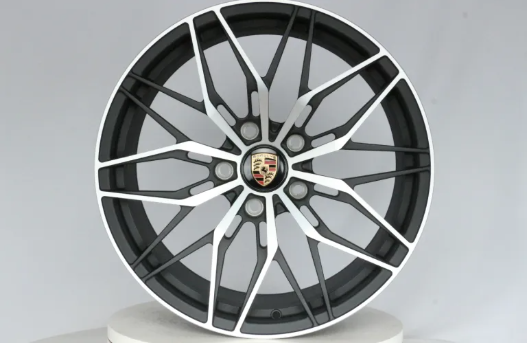
Some minor damages can be fixed at home.
Curb Rash Repair:
1. Sand the affected area gently with fine sandpaper.
2. Clean with isopropyl alcohol.
3. Apply filler if needed, and sand again.
4. Paint to match the original finish.
5. Apply a clear coat.
Surface Corrosion:
● Light corrosion can be removed with aluminum cleaner and fine steel wool. And after that, do the polishing.
Pitting and Small Scratches:
● Use a metal polish or scratch remover formulated for aluminum alloys.
Caution: Avoid DIY fixes for structural issues, for instance, cracks or bent rims. These sorts of damages require professional attention.
The above-mentioned fixes are only applicable for minor cosmetic damage. If there's severe damage, It’s advised to get help from a certified wheel repair specialist.
Professional services include:
● Straightening bent wheels: Using hydraulic machines and heat treatment.
● Crack repair: Mostly via welding. Afterwards, X-ray inspection.
● Refinishing and powder coating: Restores wheels to like-new condition with durable finishes.
Note: Never drive on a wheel that is cracked or significantly bent. These conditions compromise safety and can cause tire failure.
Prevention is better than repairs.
In order to avoid costly repairs and maintain wheel integrity, here are some tips to prevent damage:
● Avoid potholes and curbs: drive carefully, particularly in low-profile tire setups.
● Use tire protectors: Rim protectors can shield against curb damage.
● Maintain tire pressure: Underinflated tires multiply the chance of wheel damage.
● Store wheels properly: If using seasonal tires, clean and store wheels in a dry, covered area.
Weather changes, especially winter, can expedite wheel wear.
Winter tips:
● Wash wheels regularly to remove salt.
● Use winter-specific wheel coatings for extra protection.
● Consider switching to dedicated winter wheels.
Summer tips:
● Monitor for heat-related expansion and fatigue.
● Clean brake dust regularly, which is more abundant in warmer months.
The above-mentioned factors do count, only if you have quality alloy wheels. As a matter of fact, if you do have low-quality wheels, even with proper care simply won’t hold up over time. It’s crucial to select your wheels wisely, and don’t compromise on safety.
At JWHEEL, we manufacture premium Chinese alloy wheels, engineered with high-quality materials, precision, and industry-leading testing protocols. To ensure the end product meets the highest standard of quality.
Here are some quality measures we take, including but not limited to:
● Advanced manufacturing techniques
● Rigorous testing
● Protective coatings
● Design and R&D
We also offer custom alloy wheel solutions, specifically tailored to our clients’ requirements. We can confidently state that our products meet and exceed international safety standards.
Contact us for a custom quote.

