JWHEEL custom alloy wheels supplier specializing in the production of AL-Alloy wheels for 20 years.
Language
JWHEEL custom alloy wheels supplier specializing in the production of AL-Alloy wheels for 20 years.
When it comes to upgrading your vehicle's wheels, enthusiasts often find themselves weighing the benefits and drawbacks of different manufacturing processes. Among the various options available, flow formed wheels have emerged as a popular choice, boasting a blend of strength, weight savings, and aesthetic appeal. In this article, we’ll dive deep into how flow formed wheels stack up against their forged and cast counterparts, exploring the manufacturing processes, performance characteristics, cost, and overall value.
Flow formed wheels are a compelling choice for drivers seeking a high-performance upgrade without a significant weight penalty. This article will guide you through the nuances of flow forming, highlight what sets it apart from forged and cast wheels, and help you make an informed decision for your next wheel purchase.
Flow forming is a specialized manufacturing process used to create aluminum wheels that sits uniquely between cast vs forged wheels. The process starts with a solid aluminum disc, which is heated and then shaped under extreme pressure. This technique incorporates both processes—elements of forging and elements of casting—to create a wheel with enhanced characteristics.
One of the critical advantages of flow formed wheels is their structural integrity. The flow forming process refines the grain structure of the aluminum while shaping the wheel, which results in a denser molecular makeup. This not only enhances strength but also improves the overall durability of the wheel. Additionally, affordable flow formed wheels tend to be lighter than fully cast wheels, making them a favorite among performance enthusiasts who understand the benefits of lightweight components for handling and acceleration.
In terms of performance, flow formed wheels often exhibit superior resistance to bending and cracking under stress compared to their cast counterparts, thanks to their unique construction method. This means they can handle the rigors of high-performance driving, including track use and aggressive cornering, without sustaining damage. The combination of lightness and strength also allows manufacturers to create sleek and stylish designs without compromising performance.
Aesthetics is another important aspect of affordable flow formed wheels. They can achieve complex and intricate designs, providing a high-end look that many car enthusiasts desire. Their finish can also be tailored, which means you can choose from a variety of styles and colors, enabling a more personalized touch to your vehicle.
In summary, the flow forming process blends the best of both forging and casting, resulting in wheels that are lightweight, durable, and stylish. As we proceed, we will compare best flow formed wheels vs forged and cast options to give you a comprehensive view of what best suits your needs.
Fashioned wheels are considered the gold standard in wheel fabricating due to their unparalleled quality and execution characteristics. The fashioning handle includes applying gigantic weight to a single piece of aluminum, reshaping it into a wheel. This strategy adjusts the grain structure of the metal, driving to a thick, strong item that can withstand extraordinary conditions.
One of the most noteworthy points of interest of manufactured wheels is their capacity to handle overwhelming loads without twisting or splitting. This auxiliary judgment makes them an great choice for high-performance vehicles, particularly those subjected to thorough driving conditions like motorsports or off-roading.
Additionally, manufactured wheels tend to be lighter than cast wheels, but they can moreover come with a higher cost tag due to the complicated fabricating handle. The decreased weight contributes to superior fuel effectiveness, made strides dealing with, and expanded directing reaction. This perspective is significant for driving devotees who prioritize execution and nimbleness over all else.
While the quality and execution of produced wheels make them exceedingly alluring, the trade-off is frequently in terms of taken a toll. Fashioned wheels are ordinarily altogether more costly than both stream shaped and cast wheels, which may hinder casual drivers or those on a budget. Moreover, the fabricating handle is time-intensive, regularly coming about in longer lead times for customers.
Aesthetically, manufactured wheels offer a level of customization that offers to numerous car devotees. Producers can make one of a kind plans custom-made to person inclinations, guaranteeing that the last item not as it were performs well but moreover upgrades the generally see of the vehicle.
In conclusion, whereas fashioned wheels convey top-notch execution and strength, their cost point and fabricating time may be a thought for buyers. As we investigate the world of cast wheels following, it will be curiously to see how they compare in terms of fetched, execution, and aesthetics.
Casting is one of the oldest manufacturing processes in the wheel-making industry. In this method, molten aluminum is poured into a mold, where it cools and solidifies into the desired shape. Because the initial investment in molds is lower than the machinery required for forging, cast wheels typically represent a more budget-friendly option for consumers.
Although casting is cost-effective, it introduces some limitations concerning the strength and weight of the wheels. Custom cast wheels are usually heavier than forged or flow formed options, primarily due to their less efficient material distribution. This weight can impact performance, particularly in areas like acceleration and handling, where reduced weight is often advantageous.
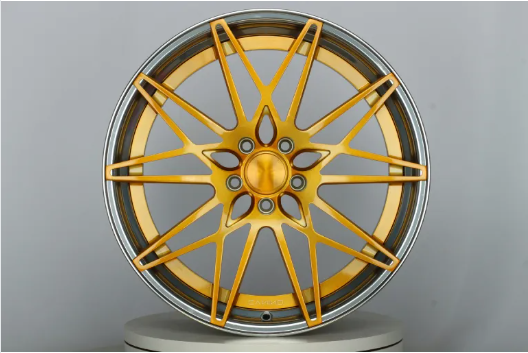
One advantage of cast wheels is their availability in a wide variety of styles, finishes, and sizes. Manufacturers can produce large quantities of cast wheels quickly, allowing for a greater selection of designs. This abundance makes it easier for consumers to find wheels that match their vehicle's aesthetic or personal taste without breaking the bank.
However, the lower strength of cast wheels may lead to issues over time, especially for drivers who frequently engage in high-performance driving. Due to the inherent characteristics of the casting process, these wheels are also more susceptible to cracking and bending when exposed to extreme forces, such as hitting a pothole or during aggressive cornering.
Moreover, while some cast wheels are capable of satisfying everyday driving needs, they may not hold up as well under rigorous conditions as flow formed or forged wheels. Drivers who participate in motorsports, track days, or off-road adventures might find cast wheels unsuitable due to their fragility compared to other options.
In summary, cast wheels present an affordable entry point for many consumers, but they come with trade-offs regarding performance and durability. As we move forward, it will be essential to evaluate how flow formed wheels measure up against the benefits and drawbacks of cast vs forged wheels.
When comparing affordable flow formed wheels to forged and cast options, performance often becomes the primary focal point for many driving enthusiasts. Each wheel type possesses distinct characteristics that can influence overall driving experience, handling, and vehicle dynamics.
Best flow formed wheels strike a balance between performance and weight. Their construction—combining forging and casting elements—results in a strong yet lightweight product suitable for both daily driving and spirited track days. The enhanced structural integrity of flow formed wheels allows them to be more resilient under stress than cast wheels, and while they may not have the same durability as forged wheels, they often represent a middle ground that producers aim for in high-performance applications.
Forged wheels, on the other hand, are synonymous with top-notch performance. Their ability to withstand extreme loads without succumbing to failure makes them ideal for racing and high-performance applications. The uniformity in grain structure ensures that they can handle sharp cornering and sudden shocks effortlessly. While they are typically the choice of serious racers and enthusiasts, their price point can be prohibitive for many casual drivers.
Cast wheels, while affordable, may compromise performance due to their heavier design and lower tensile strength. The weight can lead to increased rolling resistance and poorer handling dynamics, particularly in high-speed situations. These issues make cast wheels less favorable for performance-related needs, especially for individuals keen on enhancing their driving experiences.
Ultimately, understanding the intended purpose of the wheels is vital when making a choice. Flow formed wheels offer a fantastic blend of performance attributes, making them suitable for a broader audience that appreciates both looks and driving dynamics. Forged wheels cater to the elite performance market, while custom cast wheels serve as an accessible option for everyday drivers looking for durability at a reduced cost. Each category highlights the distinctive priorities of their users, allowing them to select wheels that align with their driving goals.
Price points play a crucial role in the decision-making process when selecting wheels. Flow formed, forged, and cast wheels each vary significantly in cost, impacting potential buyers’ options based on budget constraints and performance needs.
Forged wheels generally occupy the premium end of the price spectrum. Their elaborate manufacturing process guarantees a product of superior strength and performance, justifying the higher cost for those willing to invest in top-tier functionality. However, the price can deter many casual enthusiasts, particularly those who may not require the advanced performance capabilities derived from forged construction.
In contrast, cast wheels represent a more budget-conscious option. Their affordability makes them an attractive choice for everyday drivers who prioritize aesthetic appeal over rigorous performance demands. While these wheels may not be ideal for high-stress applications, they deliver acceptable performance for typical driving conditions at a lower price point, providing value for those with a primary focus on cost-efficiency.
Custom flow formed wheels fall somewhere in between the two extremes, offering a value proposition that appeals to performance-minded consumers without the astronomical costs associated with forged wheels. They provide many of the same performance benefits as forged wheels, such as strength and weight savings, at a more accessible price.
When considering the value of each wheel type, it is also essential to factor in performance longevity and potential replacement costs. Investing in flow formed or forged wheels may lead to fewer issues and repairs over time, while cast wheels may need to be replaced sooner if put under heavy stress or subjected to harsh driving conditions.
Ultimately, your choice will depend on how much you value performance relative to cost. Understanding these aspects will help you make a more informed decision about which wheel type best fits your vehicle and driving style.
In summary, choosing the right wheels for your vehicle involves a careful juxtaposition of strength, performance, aesthetics, and, importantly, cost. Flow formed wheels stand out as a versatile option that balances various essential factors, while forged wheels cater to those seeking only the highest performance. Conversely, custom cast wheels can effectively serve those prioritizing budget-friendly solutions, catering to the everyday driver.
In conclusion, custom flow formed wheels offer an exciting alternative for those who want the benefits of both forged and cast wheels without the downsides of either. By finding the sweet spot between cost and performance, flow formed wheels have solidified their place in the automotive aftermarket. As we've explored, understanding the differences between these manufacturing methods can help you make an informed decision based on your driving needs and preferences, leading to the perfect upgrade for your vehicle.

